
Plan an ES or NQ session
Prepare before the open, learn what the opening price tells you, then review the levels you used.
See the KPL workflowLearn how futures work, set risk before the trade, and test your rules. A good result starts with a process you can review.
You don't need to read the whole archive. Start with a guide that answers the question you have today.
Prepare before the open, learn what the opening price tells you, then review the levels you used.
See the KPL workflowCheck your workspace and account, run a test, and review the results before enabling a strategy.
Read the bot setup and limitsRecord the same fields on every trade. Use those records to check your risk and losing-streak estimates.
Check your trade and losing-streak numbersLearn the framework, compare trading instruments, and check how a signal behaves in a falling market.
11 articles in Technology

My OpenClaw setup advertised models my account couldn't use, then answered with a weaker fallback when the real one was rejected. Here is how I found it, what I filed publicly, and the checks any agent stack should pass.
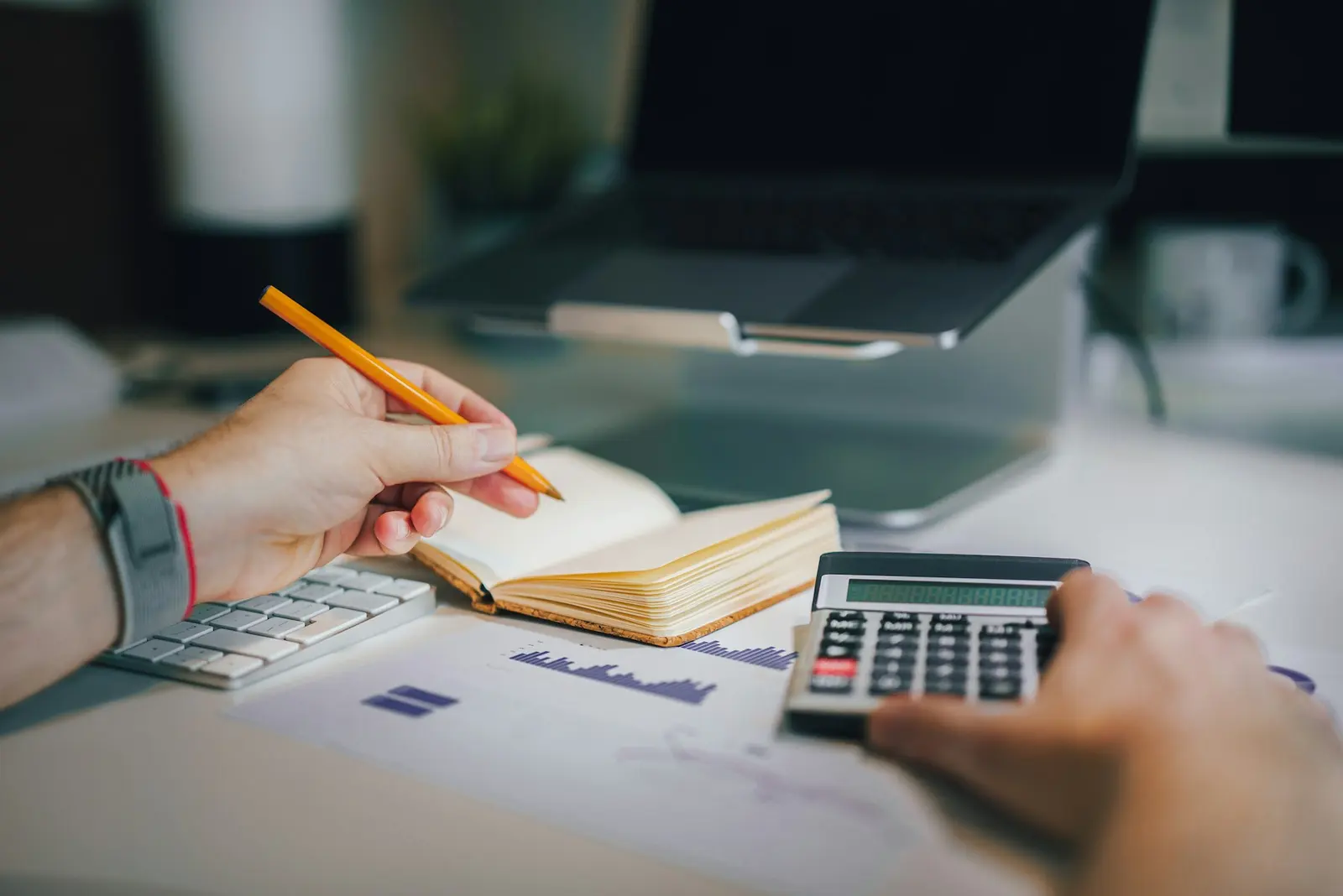
My Mac kept running out of application memory with ChatGPT holding 77 GB. The cause traced to one long-lived Codex process that never releases session memory. Here is how to confirm it, clear it, prune sessions and automate a restart.
Your NinjaTrader data feed shapes tick data, historical depth and order flow readings. Instead of quoting stale prices, this guide shows what each feed type offers, which questions to ask, and a simple test to compare two feeds on your own sessions.
Default NinjaTrader charts show everything and explain nothing. This guide covers a practical day trading layout for ES and NQ: timeframes, bar types, which indicators earn a place, a dark color scheme, and how to save templates and workspaces.

The SuperDOM shows resting limit orders, executed trades and your position in one window. This guide explains what the ladder can and can't tell you, how to read the tape, why a large visible order proves little, and how to enter orders with ATM strategies without costly slippage.
Language models do not carry a clock. If you use AI for trading notes or scheduling, a wrong day or date can slip into an answer with full confidence. Here is why it happens and how to build checks around it.
Bigger context windows don't fix how AI systems remember. Cost, uneven attention and weak retrieval get in the way first. Here are the main memory approaches, their limits, and a simple test you can run on your own setup.

AI in trading is mostly a marketing word. Here's what a day-type classification model can reasonably do, how to check whether a stated probability means anything, and why model context is separate from Key Price Levels.
AI helps futures traders most with preparation, multi-account visibility, journaling and alerts, and least with predicting price. Here is how to size up combined exposure, test a tool before trusting it, and keep a human confirming every order.

Event contract prices on platforms like Kalshi give a market-priced probability for things like Fed decisions and data releases. Here is how to read the price, what spreads and fees do to it, and how it can inform exposure around an event.
Options flow shows where large premium traded, but it can't tell you who is hedging and who is speculating. This guide covers the fields worth reading, how to filter noise, how to journal it for ES and NQ, and what it can't prove.
Free, No Credit Card
Get a look at the daily preparation process. Intro includes daily ES and NQ KPLs, education, and community.
Build Your Plan
Start with Intro for education, daily KPLs, and community. Upgrade to Pro when you want bot automation.
Intro Trader includes a 7-day free trial • Cancel before trial converts
Learn how futures work, set risk before the trade, and test your rules. A good result starts with a process you can review.
You don't need to read the whole archive. Start with a guide that answers the question you have today.
Prepare before the open, learn what the opening price tells you, then review the levels you used.
See the KPL workflowCheck your workspace and account, run a test, and review the results before enabling a strategy.
Read the bot setup and limitsRecord the same fields on every trade. Use those records to check your risk and losing-streak estimates.
Check your trade and losing-streak numbersLearn the framework, compare trading instruments, and check how a signal behaves in a falling market.
11 articles in Technology
My OpenClaw setup advertised models my account couldn't use, then answered with a weaker fallback when the real one was rejected. Here is how I found it, what I filed publicly, and the checks any agent stack should pass.
My Mac kept running out of application memory with ChatGPT holding 77 GB. The cause traced to one long-lived Codex process that never releases session memory. Here is how to confirm it, clear it, prune sessions and automate a restart.
Your NinjaTrader data feed shapes tick data, historical depth and order flow readings. Instead of quoting stale prices, this guide shows what each feed type offers, which questions to ask, and a simple test to compare two feeds on your own sessions.
Default NinjaTrader charts show everything and explain nothing. This guide covers a practical day trading layout for ES and NQ: timeframes, bar types, which indicators earn a place, a dark color scheme, and how to save templates and workspaces.
The SuperDOM shows resting limit orders, executed trades and your position in one window. This guide explains what the ladder can and can't tell you, how to read the tape, why a large visible order proves little, and how to enter orders with ATM strategies without costly slippage.
Language models do not carry a clock. If you use AI for trading notes or scheduling, a wrong day or date can slip into an answer with full confidence. Here is why it happens and how to build checks around it.
Bigger context windows don't fix how AI systems remember. Cost, uneven attention and weak retrieval get in the way first. Here are the main memory approaches, their limits, and a simple test you can run on your own setup.
AI in trading is mostly a marketing word. Here's what a day-type classification model can reasonably do, how to check whether a stated probability means anything, and why model context is separate from Key Price Levels.
AI helps futures traders most with preparation, multi-account visibility, journaling and alerts, and least with predicting price. Here is how to size up combined exposure, test a tool before trusting it, and keep a human confirming every order.
Event contract prices on platforms like Kalshi give a market-priced probability for things like Fed decisions and data releases. Here is how to read the price, what spreads and fees do to it, and how it can inform exposure around an event.
Options flow shows where large premium traded, but it can't tell you who is hedging and who is speculating. This guide covers the fields worth reading, how to filter noise, how to journal it for ES and NQ, and what it can't prove.
Free, No Credit Card
Get a look at the daily preparation process. Intro includes daily ES and NQ KPLs, education, and community.
Build Your Plan
Start with Intro for education, daily KPLs, and community. Upgrade to Pro when you want bot automation.
Intro Trader includes a 7-day free trial • Cancel before trial converts