
Plan an ES or NQ session
Prepare before the open, learn what the opening price tells you, then review the levels you used.
See the KPL workflowLearn how futures work, set risk before the trade, and test your rules. A good result starts with a process you can review.
You don't need to read the whole archive. Start with a guide that answers the question you have today.
Prepare before the open, learn what the opening price tells you, then review the levels you used.
See the KPL workflowCheck your workspace and account, run a test, and review the results before enabling a strategy.
Read the bot setup and limitsRecord the same fields on every trade. Use those records to check your risk and losing-streak estimates.
Check your trade and losing-streak numbersLearn the framework, compare trading instruments, and check how a signal behaves in a falling market.
Showing 24 of 423 articles

Your futures broker affects costs, platform connectivity, margin and reliability. This guide covers how to compare all-in commissions with a worked example, check NinjaTrader connectivity, read margin policy, and test a broker in simulation before funding.

Many regulated futures contracts fall under Section 1256, which generally means year-end mark to market and a 60% long-term, 40% short-term split regardless of holding period. Here is how the math works, what is excluded, and where the comparison with stocks breaks down.
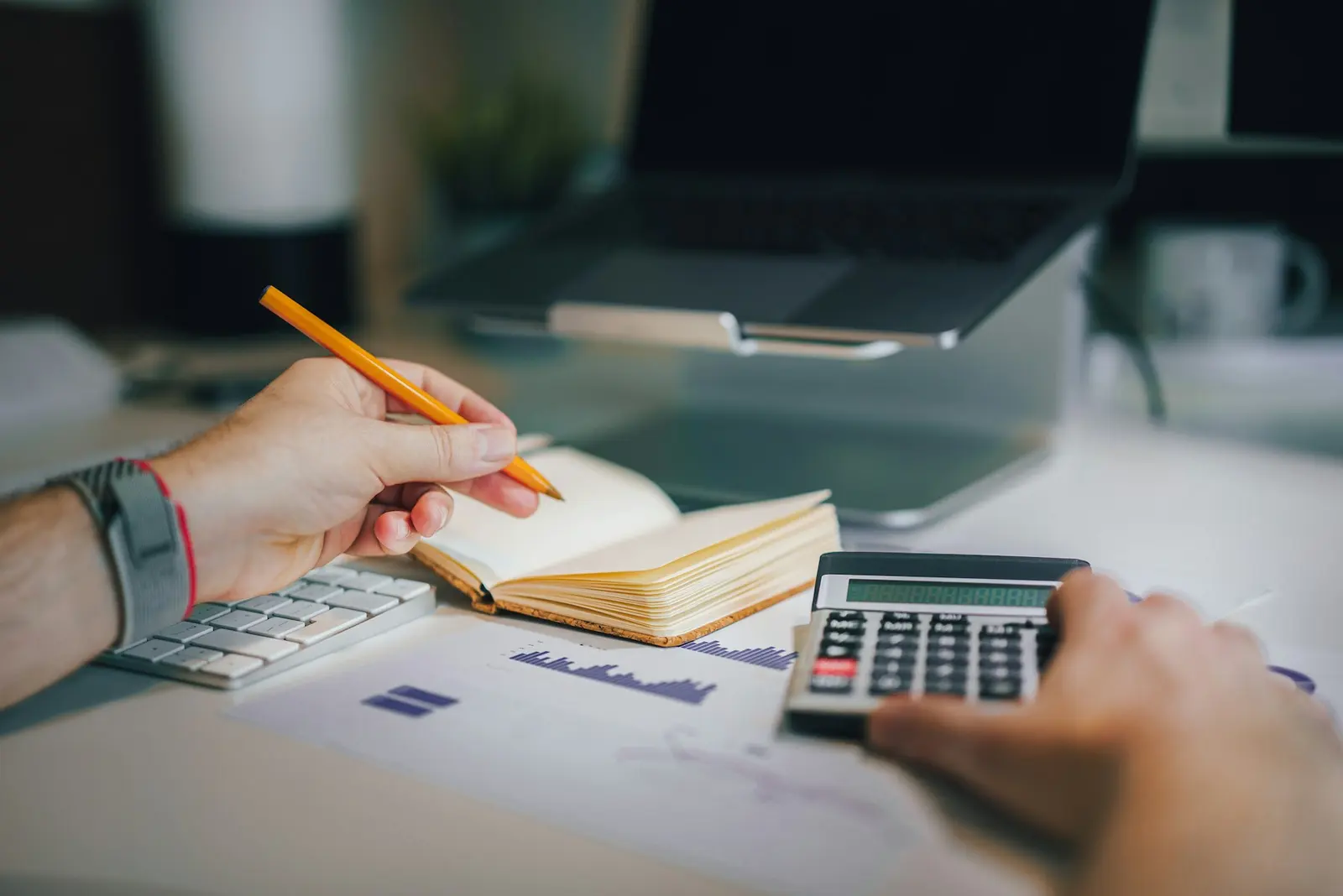
Scheduled releases like FOMC, CPI and NFP can gap ES and NQ past your stop before you can click. Here is how to classify events, decide in advance whether to trade, reduce or sit out, and what the slippage costs in dollars.

Hiding red days protects your ego and wrecks your data. Here is how to keep an honest record, separate execution quality from profit, and use a partner or group to catch rule breaks, plus the limits of sharing results publicly.

A daily plan built only on yesterday's price misses what the week looks like. Here is a Sunday and Monday routine covering last week's levels, the event calendar, loss limits, and one execution goal, plus how the KPL timing fits.
A mean reversion bot is only as good as the conditions you let it run in. Here is how to think about Marty, a YMI mean reversion NinjaTrader strategy, how to test it in SIM, and why automation rules at prop firms can rule it out.

A paid tool is only worth it if it solves a specific problem and costs less than the problem does. Here is a simple test for data, platform and education purchases, with a worked cost example and where a free tool is enough.

Overtrading means taking trades outside your defined setup, and the cost shows up in arithmetic. Here is a worked example with corrected numbers, the habits that drive it, and concrete rules to cap it, including trade limits and a stop after consecutive losses.
Waiting until you feel ready usually means waiting forever. Here is why SIM cannot teach everything, how to move to live trading with micro contracts and defined risk, and why a set number of clean sessions is a process rule, not proof of an edge.
AI helps futures traders most with preparation, multi-account visibility, journaling and alerts, and least with predicting price. Here is how to size up combined exposure, test a tool before trusting it, and keep a human confirming every order.
Quitting a paycheck to trade futures is an income-replacement problem before it is a trading problem. This guide shows how to size the evidence, the income math, the tax questions and the prop-firm caveats you should work through first.
Flow is a real performance state, but in trading it feels a lot like overconfidence. Learn what conditions support it, how to keep position size and rules fixed while it lasts, and how to write a stop rule for when it fades.
KPL levels are fixed reference prices anchored to the regular session opening print. This worked example uses hypothetical numbers to show how to plan a trade at a level, compute breakeven, and test whether the levels mean anything in your own records.

Any price-level system should be judged on what it publishes, how it is defined and what it survives after costs. This guide uses KPL as the example and walks through the tests, with hypothetical numbers, you should run before trusting any levels.
A bot that works on paper still has losing trades, losing days and technical failures. Here is the math on streaks, how to separate strategy losses from infrastructure problems, how to size for drawdown, and why prop firm automation rules need checking first.
Event contract prices on platforms like Kalshi give a market-priced probability for things like Fed decisions and data releases. Here is how to read the price, what spreads and fees do to it, and how it can inform exposure around an event.
Some futures traders size so small that costs eat the edge, and others stay in simulation indefinitely. Both look like caution and both are avoidance. Here's how to tell risk management from risk avoidance, with a hypothetical cost example and a plan for sizing up.
Most strategy tweaks get tested the expensive way, with real money and a few bad days. A SIM account is a cheaper place to run the test. Here's a one-variable workflow, the sample-size math, the NinjaTrader 8 setup, and what SIM can't tell you.
Entering a futures trade and forgetting the stop is an expensive mistake. NinjaTrader 8's ATM strategies attach a stop and targets to an entry you place yourself. Here's how to size them in ticks, a scale-out example with real dollar math, and the failure modes.
Pairs trading means going long one asset and short a related one so market direction matters less and the spread matters more. This guide covers dollar and beta weighting, an ES versus NQ sizing example, calendar spreads, and the risks that remain.
A losing week doesn't prove your system is broken, and it doesn't prove it's fine. Here's how to estimate how bad normal streaks get, a four-question diagnosis, and a response plan for each type of drawdown.
Scaling up usually breaks accounts because the size changed, not the strategy. Here's how to size from a dollar risk, use micros as a ladder, adjust for wider stops, and set your own scaling checkpoints with real arithmetic.
Running a manual strategy alongside an automated one sounds efficient, but it multiplies risk and attention demands. Here's how to account for combined daily loss, sequence the build, and check that your prop firm even allows automation.
Screenshots of winning days prove very little. Here's what to ask a trading educator before you pay: how the method works, what the numbers could look like by chance, how it fails, and whether the track record is something you can actually verify.
Free, No Credit Card
Get a look at the daily preparation process. Intro includes daily ES and NQ KPLs, education, and community.
Build Your Plan
Start with Intro for education, daily KPLs, and community. Upgrade to Pro when you want bot automation.
Intro Trader includes a 7-day free trial • Cancel before trial converts
Learn how futures work, set risk before the trade, and test your rules. A good result starts with a process you can review.
You don't need to read the whole archive. Start with a guide that answers the question you have today.
Prepare before the open, learn what the opening price tells you, then review the levels you used.
See the KPL workflowCheck your workspace and account, run a test, and review the results before enabling a strategy.
Read the bot setup and limitsRecord the same fields on every trade. Use those records to check your risk and losing-streak estimates.
Check your trade and losing-streak numbersLearn the framework, compare trading instruments, and check how a signal behaves in a falling market.
Showing 24 of 423 articles
Your futures broker affects costs, platform connectivity, margin and reliability. This guide covers how to compare all-in commissions with a worked example, check NinjaTrader connectivity, read margin policy, and test a broker in simulation before funding.
Many regulated futures contracts fall under Section 1256, which generally means year-end mark to market and a 60% long-term, 40% short-term split regardless of holding period. Here is how the math works, what is excluded, and where the comparison with stocks breaks down.
Scheduled releases like FOMC, CPI and NFP can gap ES and NQ past your stop before you can click. Here is how to classify events, decide in advance whether to trade, reduce or sit out, and what the slippage costs in dollars.
Hiding red days protects your ego and wrecks your data. Here is how to keep an honest record, separate execution quality from profit, and use a partner or group to catch rule breaks, plus the limits of sharing results publicly.
A daily plan built only on yesterday's price misses what the week looks like. Here is a Sunday and Monday routine covering last week's levels, the event calendar, loss limits, and one execution goal, plus how the KPL timing fits.
A mean reversion bot is only as good as the conditions you let it run in. Here is how to think about Marty, a YMI mean reversion NinjaTrader strategy, how to test it in SIM, and why automation rules at prop firms can rule it out.
A paid tool is only worth it if it solves a specific problem and costs less than the problem does. Here is a simple test for data, platform and education purchases, with a worked cost example and where a free tool is enough.
Overtrading means taking trades outside your defined setup, and the cost shows up in arithmetic. Here is a worked example with corrected numbers, the habits that drive it, and concrete rules to cap it, including trade limits and a stop after consecutive losses.
Waiting until you feel ready usually means waiting forever. Here is why SIM cannot teach everything, how to move to live trading with micro contracts and defined risk, and why a set number of clean sessions is a process rule, not proof of an edge.
AI helps futures traders most with preparation, multi-account visibility, journaling and alerts, and least with predicting price. Here is how to size up combined exposure, test a tool before trusting it, and keep a human confirming every order.
Quitting a paycheck to trade futures is an income-replacement problem before it is a trading problem. This guide shows how to size the evidence, the income math, the tax questions and the prop-firm caveats you should work through first.
Flow is a real performance state, but in trading it feels a lot like overconfidence. Learn what conditions support it, how to keep position size and rules fixed while it lasts, and how to write a stop rule for when it fades.
KPL levels are fixed reference prices anchored to the regular session opening print. This worked example uses hypothetical numbers to show how to plan a trade at a level, compute breakeven, and test whether the levels mean anything in your own records.
Any price-level system should be judged on what it publishes, how it is defined and what it survives after costs. This guide uses KPL as the example and walks through the tests, with hypothetical numbers, you should run before trusting any levels.
A bot that works on paper still has losing trades, losing days and technical failures. Here is the math on streaks, how to separate strategy losses from infrastructure problems, how to size for drawdown, and why prop firm automation rules need checking first.
Event contract prices on platforms like Kalshi give a market-priced probability for things like Fed decisions and data releases. Here is how to read the price, what spreads and fees do to it, and how it can inform exposure around an event.
Some futures traders size so small that costs eat the edge, and others stay in simulation indefinitely. Both look like caution and both are avoidance. Here's how to tell risk management from risk avoidance, with a hypothetical cost example and a plan for sizing up.
Most strategy tweaks get tested the expensive way, with real money and a few bad days. A SIM account is a cheaper place to run the test. Here's a one-variable workflow, the sample-size math, the NinjaTrader 8 setup, and what SIM can't tell you.
Entering a futures trade and forgetting the stop is an expensive mistake. NinjaTrader 8's ATM strategies attach a stop and targets to an entry you place yourself. Here's how to size them in ticks, a scale-out example with real dollar math, and the failure modes.
Pairs trading means going long one asset and short a related one so market direction matters less and the spread matters more. This guide covers dollar and beta weighting, an ES versus NQ sizing example, calendar spreads, and the risks that remain.
A losing week doesn't prove your system is broken, and it doesn't prove it's fine. Here's how to estimate how bad normal streaks get, a four-question diagnosis, and a response plan for each type of drawdown.
Scaling up usually breaks accounts because the size changed, not the strategy. Here's how to size from a dollar risk, use micros as a ladder, adjust for wider stops, and set your own scaling checkpoints with real arithmetic.
Running a manual strategy alongside an automated one sounds efficient, but it multiplies risk and attention demands. Here's how to account for combined daily loss, sequence the build, and check that your prop firm even allows automation.
Screenshots of winning days prove very little. Here's what to ask a trading educator before you pay: how the method works, what the numbers could look like by chance, how it fails, and whether the track record is something you can actually verify.
Free, No Credit Card
Get a look at the daily preparation process. Intro includes daily ES and NQ KPLs, education, and community.
Build Your Plan
Start with Intro for education, daily KPLs, and community. Upgrade to Pro when you want bot automation.
Intro Trader includes a 7-day free trial • Cancel before trial converts